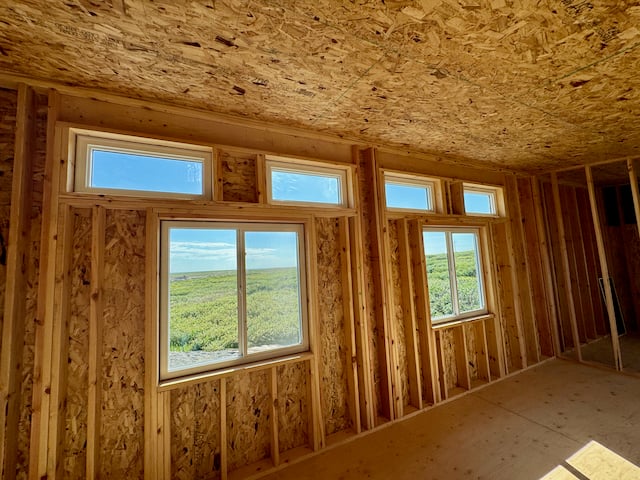

Renovating in Nome: Meeting Alaska’s Insulation Code Requirements
If you’re planning a renovation project here in Nome, one of the most important things to factor into your budget and design is insulation. Building codes require all residential homes to meet a minimum insulation R-value of:
R-49 in the ceiling/roof
R-21 in walls
R-30 in floors
These numbers may look intimidating at first glance, but they’re critical in our Arctic climate. Proper insulation keeps heating bills manageable, protects your structure from frost and moisture issues, and makes your home more comfortable during long winters.
Why the Higher Standards Matter in Nome
Unlike much of the Lower 48, Nome faces extreme conditions: long winters, sub-zero temperatures, high winds, and a very short construction season. Meeting code isn’t just about compliance—it’s about long-term livability and protecting your investment.
Homes that don’t meet insulation standards often suffer from:
Heat loss and skyrocketing fuel costs.
Ice dams on roofs.
Drafty living spaces and uneven heating.
Moisture problems that lead to mold and rot.
When buyers look at a home, one of the first questions is about fuel usage. Renovations that improve insulation almost always pay off at resale.
How to Reach These R-Values in Renovations
Ceilings (R-49)
Blown-in cellulose or fiberglass: Often the easiest upgrade for existing homes, since it can be added on top of existing insulation in an attic.
Spray foam under the roof deck: Provides high R-value per inch and doubles as an air barrier—ideal in Nome’s windy environment.
Vapor barriers: Always make sure a vapor retarder is properly installed to prevent condensation in our cold climate.
Walls (R-21)
Exterior foam board (continuous insulation): Adding rigid foam on the outside of sheathing boosts R-value while reducing thermal bridging.
Dense-pack cellulose or spray foam: If walls are being opened during renovation, these options deliver better performance than fiberglass batts alone.
Floors (R-30)
Batts or rigid foam between joists: Especially important in homes on pilings or over crawlspaces.
Spray foam skirting or underfloor application: Helps seal air leaks while adding insulation, critical for homes exposed to wind on all sides.
Tips for Nome Renovators
Work with local contractors who understand permafrost, moisture control, and the quirks of renovating in Nome.
Plan early: Most insulation products must be shipped in by barge or air, so ordering ahead of your project is essential.
Use energy audits: A blower-door test can pinpoint where your home is losing heat and where insulation dollars will have the biggest impact.
Think resale: Buyers are drawn to homes with documented energy upgrades. Keep receipts, photos, and specs of your insulation improvements.
Final Thoughts
Insulation may not be the flashiest part of your renovation, but it’s one of the most impactful investments you can make. Meeting Nome’s insulation code protects your comfort, your wallet, and your home’s value.
If you’re considering a renovation and aren’t sure how your home stacks up, I’m happy to connect you with local resources and help you think through your options.
Local knowledge for local homes—that’s what keeps Nome Sweet Homes warm and welcoming, no matter how cold it gets outside.
— Melissa K. Ford
Broker/Owner, Nome Sweet Homes