

By Melissa K. Ford, Managing Broker, Nome Sweet Homes
When your November light bill shows up, take a deep breath before you open it. At last week's Nome Joint Utility System board meeting, General Manager John Handeland said the fuel surcharge is more than doubling, from 18 cents to an estimated 40 cents per kilowatt hour, starting with November bills (The Nome Nugget; KNOM). Back in August the estimate was 30 cents, so this one landed higher than anybody planned for.
You won't see it as its own line on your statement, because NJUS has folded the surcharge into the electricity charge since February. But you will feel it, and so will every landlord and tenant in town.
Why it jumped
According to the Nugget, NJUS received 2,011,800 gallons of fuel this month at a cost of close to $9 million. "I don't think we've ever spent that," Handeland told the board. The fuel price itself is set under a three year contract with Crowley. The increase came from the tug fuel adjustment, the variable cost of getting that fuel to us, which climbed after the war in Iran disrupted oil exports through the Strait of Hormuz. KNOM reported that the city authorized borrowing up to $8.6 million from Northrim Bank at 5.69 percent to pay for the annual diesel purchase.
None of this is a surprise to anyone who heard KNOM's reporting this summer. Barge fuel across our region was largely priced when tankers were filled in May, at the height of the uncertainty, and with only one or two deliveries a year, those prices are likely to stick around until next summer (KNOM, June 18).
The rent question
Here's where it hits home. Every extra cent per kilowatt hour lands on somebody. Going from 18 cents to 40 cents adds $22 for every 100 kilowatt hours a household uses, before any Power Cost Equalization credit.
To put that in perspective, 100 kilowatt hours is roughly 25 to 30 loads of laundry, washed and dried.
If you rent and pay your own electric, you'll see that directly. If your rent includes utilities, your landlord is absorbing it right now, and that money has to come from somewhere when the lease comes up for renewal.
I talk with property owners every week, and I want to be straight with both sides. Most Nome landlords are small operators, often a local family with one or two units. Power, heat, insurance, maintenance and shipping all cost more here than almost anywhere in the country. When a major operating cost jumps like this, a rent adjustment at renewal is a reasonable business decision, and owners have every right to make it. The way to keep rents in check is to bring costs down and keep good information flowing, not to pile new rules on the people who provide our housing.
That said, nobody wins when a good tenant can't make it through the winter. Turnover, vacancy and make ready repairs cost owners far more than a modest increase brings in. My advice to owners: run your numbers now, talk with your tenants early, and think about phasing an increase rather than surprising anyone. My advice to renters: read your lease so you know who pays which utility, talk to your landlord before renewal, and take advantage of the help below. I've also put together a separate post with simple ways tenants can help keep costs, and rent, steady this winter.
Help that's out there
NSEDC energy credit. In August, the Norton Sound Economic Development Corporation approved a second $575 energy credit for eligible households, matching the March payment. NJUS said households that got the March credit would be credited automatically, with credits expected in time for October statements (KNOM, Aug. 27). That's real money for Nome families, and NSEDC deserves thanks for stepping up.
AHFC Weatherization. The Alaska Housing Finance Corporation's weatherization program provides energy upgrades at no cost to income qualified households. Homeowners and renters may apply, and the program includes rentals and condos (AHFC). For owners, a tighter unit is cheaper to power and heat and easier to rent. For tenants, it means lower bills. AHFC is one of the best partners rural Alaska homeowners have.
Power Cost Equalization. Handeland said that once the fuel payment is finalized, he will send the cost information to the Alaska Energy Authority and the Regulatory Commission of Alaska so Nome's PCE amount can be adjusted. That matters, because PCE significantly reduces bills for NJUS customers. Earlier this year, the state suspended PCE payments to NJUS over late annual and fuel reports, though Handeland said credits would keep being applied to customer bills in the meantime (The Nome Nugget, Feb.).
Transparency is a property owner issue
The surcharge isn't the only thing on the agenda. NJUS's 2026 budget and its audits from 2022 onward still haven't been presented. KNOM reports the utility last approved a budget for fiscal year 2021, and council member Scot Henderson said the lack of audited financials costs ratepayers money because the utility may be paying more to borrow. Audit spending reached $63,268 in the first nine months of this year, compared with $9,600 a year earlier.
There is good news too. NJUS paid off a $3.5 million loan carrying 7.5 percent interest in September. The 2021 audit came back with a clean opinion, and an Anchorage CPA, Travis Werba, plans to come to Nome in December to work on the remaining audits. Handeland has run our utility for more than 25 years, and board member Larry Pederson said the board is working on a plan to fix the reporting problems. I appreciate that work, and I'd simply ask that it move quickly. Lenders, appraisers and buyers all look at the cost of owning a home here, and utility costs are a big part of that picture. Timely, public financials protect every ratepayer and every property owner in Nome.
What you can do
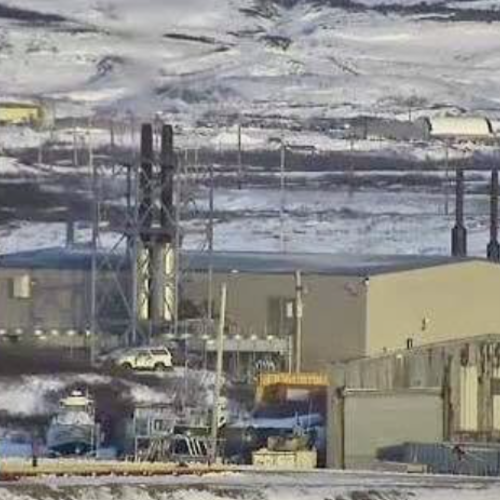
Show up. The next NJUS board meeting is scheduled for December 15. In October, the Common Council passed a resolution asking the board to meet at City Hall instead of the Port Road power plant, which would make it easier for all of us to attend. Ask questions, ask for the budget and audits, and ask how PCE is being protected.
If you're a landlord trying to figure out what this means for your rents, or a renter wondering what's fair, give me a call or stop by the office. That's what we're here for.
Melissa K. Ford Managing Broker, Nome Sweet Homes
Sources
- Anna Lionas, "Fuel surcharge skyrockets, NJUS board continues to wait for financial statements," The Nome Nugget, Nov. 17, 2026: https://www.nomenugget.net/news/fuel-surcharge-skyrockets-njus-board-continues-wait-financial-statements
- Ben Townsend, "Still no budget, audits for Nome Joint Utility System at Thursday board meeting," KNOM, Nov. 13, 2026: https://knom.org/2026/11/13/still-no-budget-audit-for-nome-joint-utility-system/
- Ben Townsend, "Western Alaskans bracing for high fuel prices expected to linger," KNOM, June 18, 2026: https://knom.org/2026/06/18/western-alaskans-brace-for-lingering-high-fuel-prices/
- Margaret Sutherland, "NSEDC approves additional energy subsidy for Norton Sound households," KNOM, Aug. 27, 2026: https://knom.org/2026/08/27/nsedc-approves-additional-energy-subsidy-for-norton-sound-households/
- Diana Haecker, "State threatens Nome to be cut off from Power Cost Equalization," The Nome Nugget, Feb. 2026: https://nomenugget.net/news/state-threatens-nome-be-cut-power-cost-equalization
- Alaska Housing Finance Corporation, Weatherization program: https://www.ahfc.us/efficiency/weatherization
Check out this article next