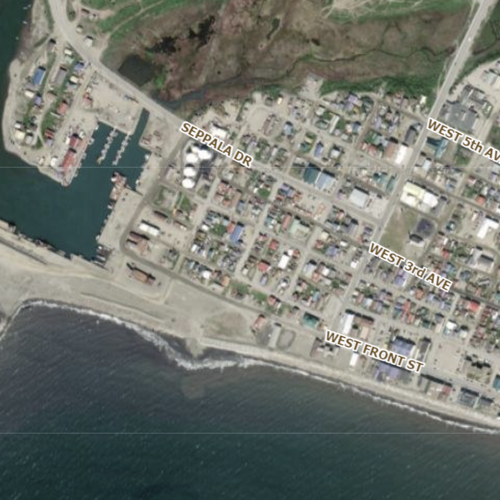


Housing works best when people can walk or drive a short distance to work, services and daily errands. The area around the hospital is a natural place to make that connection, because it already has steady foot traffic from patients, families, visiting specialists and the people who work there.
Loosening zoning in that area could allow small, low-impact businesses to open alongside homes. Examples include a coffee shop or lunch counter, a pharmacy or medical supply shop, a home health or physical therapy office, a short-term lodging unit for patients’ families, or a small office for a local professional. Allowing apartments or live/work units above or behind those businesses would put more housing within walking distance of one of Nome’s biggest employers.
This helps the housing push in three ways:
- It supports the people who need housing most. Hospital and health-services employees are the kind of workforce that is hard to recruit when there’s nowhere to live.
- It helps small projects pencil out. A ground-floor business can bring in income that makes a modest mixed-use building feasible, which matters when Arctic construction costs are high.
- It makes a stronger case to AHFC. A project that combines City land, workforce housing and a walkable service area is the kind of integrated approach the agency says it wants to support.
Zoning changes should still protect neighbors, so I’d suggest starting with limits on noise, hours, signage and traffic, and with a clear list of allowed uses. The goal is to remove barriers for small operators, not to open the area to anything.
Check out this article next